
How does the production workflow differ when manufacturing bespoke, one-off brand installations versus high-volume, standardized store shelving?
Are you struggling to balance the high costs of custom designs with the rigid timelines of mass production? Choosing the wrong workflow for your project can lead to missed deadlines and wasted budget.
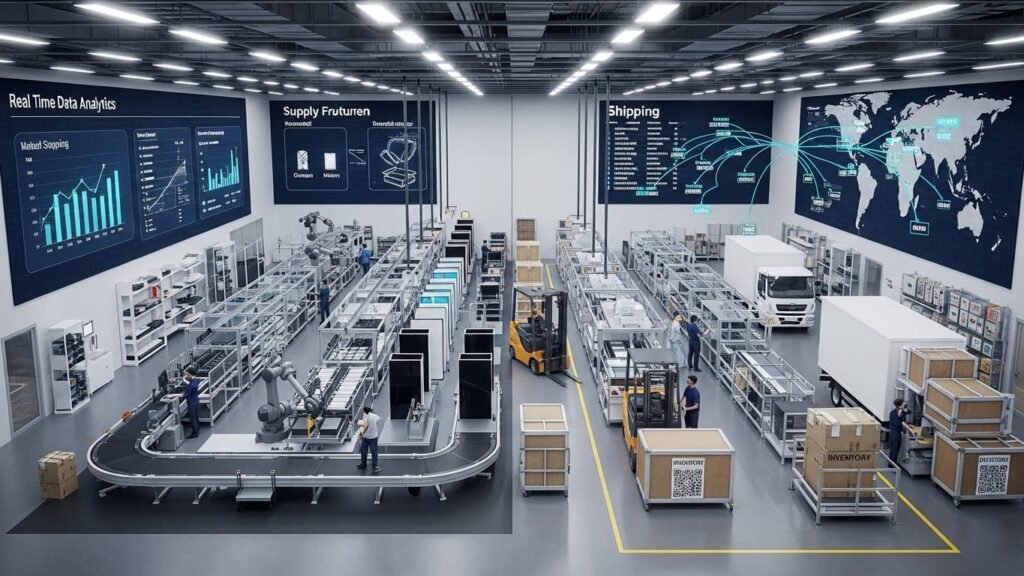
Bespoke installations focus on design flexibility and highly skilled manual labor to create unique brand experiences. High-volume Display Fixtures or Bespoke Shopfittings relies on automation, specialized jigs, and bulk material procurement to reduce unit costs. Bespoke projects prioritize detail and adaptability, while high-volume runs prioritize speed, consistency, and manufacturing efficiency.

I have spent my entire career inside Display Fixtures and Bespoke Shopfittings factories, first on the floor and now as a company founder. I have seen how a single mistake in the workflow can destroy a factory's profit. Whether you need one flagship display or one thousand shelves, you must understand how the factory handles your order. If you apply mass-production rules to a custom build, or vice versa, you will face major problems.
How does the prototyping and approval phase change between a unique brand installation and a standardized fixture line?
Waiting for a prototype approval is often the most stressful part of any design project. If the sample is wrong, the entire store opening might be delayed, which is a nightmare for any brand.
Unique brand installations require multiple prototype rounds to perfect the aesthetic and "wow" factor for the client. Standardized fixture lines use the prototyping phase to test durability, assembly speed, and how well the items fit into shipping cartons for a global rollout.

In my factory, we spend a huge amount of time in the early stages of a project. For a one-off bespoke installation, the designer usually has a very specific vision. We might spend days testing different paint finishes or lighting effects just for one unit. The focus is entirely on the "look and feel." However, when we move to a standardized line for a chain store, the goal changes. We look at "manufacturability." I ask my engineers: "Can a worker put this together in under five minutes?" or "Can we pack this flatter to save on sea freight?"
Most projects lose the most time during this design and confirmation stage. Once the client confirms the price, shipping method, and assembly instructions, we have to move very fast. I always tell my team that we cannot make any mistakes during production. In China and Vietnam, our profit margins are often around 15%. If we have to do rework because a sample was not fully checked, that profit disappears instantly. We use the prototype to solve every possible problem before the big machines start running.
| Phase | Bespoke Installation Focus | Standardized Line Focus |
|---|---|---|
| Design | Visual Impact & Brand Story | Cost Efficiency & Function |
| Testing | Material Beauty & Stability | Durability & High Traffic Wear |
| Packaging | Custom Protection | Flat-pack & Volumetric Efficiency |
| Approval | Designer's Aesthetic Vision | Operations & Logistics Team |
What are the differences in labor skill sets and machinery requirements for "hand-crafted" custom pieces versus automated production runs?
High-tech machines are amazing, but they are only as good as the people who run them. Using a mass-production team for a custom piece usually leads to poor quality and high waste.
Bespoke pieces require "problem-solver" craftsmen who can interpret complex drawings and work with different materials manually. Automated runs require technicians who can program CNC machines and manage high-speed assembly lines where every single piece must be identical to the last one.

When I hire for my custom department, I look for people with deep experience. These workers need to understand how wood, metal, and acrylic react together. Every order they see is different, so they must be very adaptable. For standardized runs, we invest heavily in machinery and jigs. A jig is a tool that holds a part in the exact same place every time so a robot or a worker can weld it or drill it perfectly. This removes human error.
Regarding metal parts, many clients ask about molds. In my factory, we evaluate this based on the order size. For small custom batches, we do not use molds for iron parts unless the shape is extremely strange. It is much better to use a laser cutting machine. Laser cutting is flexible and fast for small runs. It has no "tooling cost" because there is no mold to build. A mold can take 3 to 15 days to make. If you only need 50 pieces, the laser is cheaper and faster. We only build specialized molds when the volume is high enough to make the extra efficiency worth the cost. This balance of skill and technology is how we keep our prices competitive while maintaining our 15% margin.
| Requirement | Bespoke / Custom Pieces | High-Volume / Standardized |
|---|---|---|
| Worker Skill | High Adaptability / Craftsmanship | Technical Precision / Speed |
| Machinery | Flexible (Laser, Hand Tools) | Specialized (Molds, CNC, Jigs) |
| Setup Time | Fast (Digital Programming) | Slow (Tooling & Jig Creation) |
| Error Margin | Managed by Expert Eyes | Controlled by Machine Settings |
How does the procurement strategy for raw materials and hardware differ when managing a single project versus a long-term rollout?
Missing one special screw can stop a whole factory line. Whether it is a single flagship store or a thousand-store rollout, the supply chain is the backbone of the entire production process.
Single projects rely on a wide network of specialized local suppliers who can provide small amounts of unique materials quickly. Long-term rollouts require a strategy of bulk purchasing and strict quality control for raw materials to ensure every batch looks exactly the same over several months.

A factory that does a lot of custom work must have a very strong supply chain. My suppliers are my partners. For a one-off project, I might need a very specific type of gold-plated hinge or a rare species of wood. I need suppliers who will pick up the phone and deliver a small quantity by tomorrow. For a large rollout, the strategy is different. We buy raw steel and wood in huge volumes to lock in the price. Since our profit is small, we cannot afford for the price of steel to go up in the middle of a project.
We prepare the assembly space and all the hardware before the first part is even cut. This ensures the production flow is never interrupted. If a supplier fails us on a deadline, it can ruin the project. I have even paid for expensive air freight out of my own pocket to make sure a client got their displays on time. I believe that a great supplier is one who takes responsibility for the deadline, no matter what. In custom production, your management ability is tested every day. You must coordinate dozens of suppliers and hundreds of parts to make sure the final assembly happens perfectly and on time.
| Strategy Factor | Single Bespoke Project | Long-Term Rollout |
|---|---|---|
| Order Volume | Low / Mixed Items | High / Identical Items |
| Supplier Type | Boutique / Specialized | Large Scale / Industrial |
| Lead Times | Fast & Unpredictable | Planned & Scheduled |
| Cost Control | Premium for Speed | Bulk Discounts & Stability |
Conclusion
Bespoke builds require expert labor and flexible machines like lasers for speed. High-volume runs need automation, molds, and bulk material planning. Both need perfect management to ensure quality.


